How to Find a Water Leak
A higher-than-usual water bill with no change in your habits is the common first clue, and the meter check tells a leak from normal use. The steps below show how to find a water leak before anyone digs or opens a wall. The checks suit any home on Bribie Island, from the older cottages to the newer brick veneer builds.
If we're late, $100 comes off your bill

- Licensed and InsuredEvery job done by a licensed plumber. QBCC No: 15024607
- Fixed Quote FirstFlat-rate pricing, agreed before any work starts
- Lifetime Labour WarrantyBacked by our Fix-It-or-It's-Free guarantee (T&Cs apply)
- $0 Call-Out FeesNo extra charge for nights, weekends or public holidays
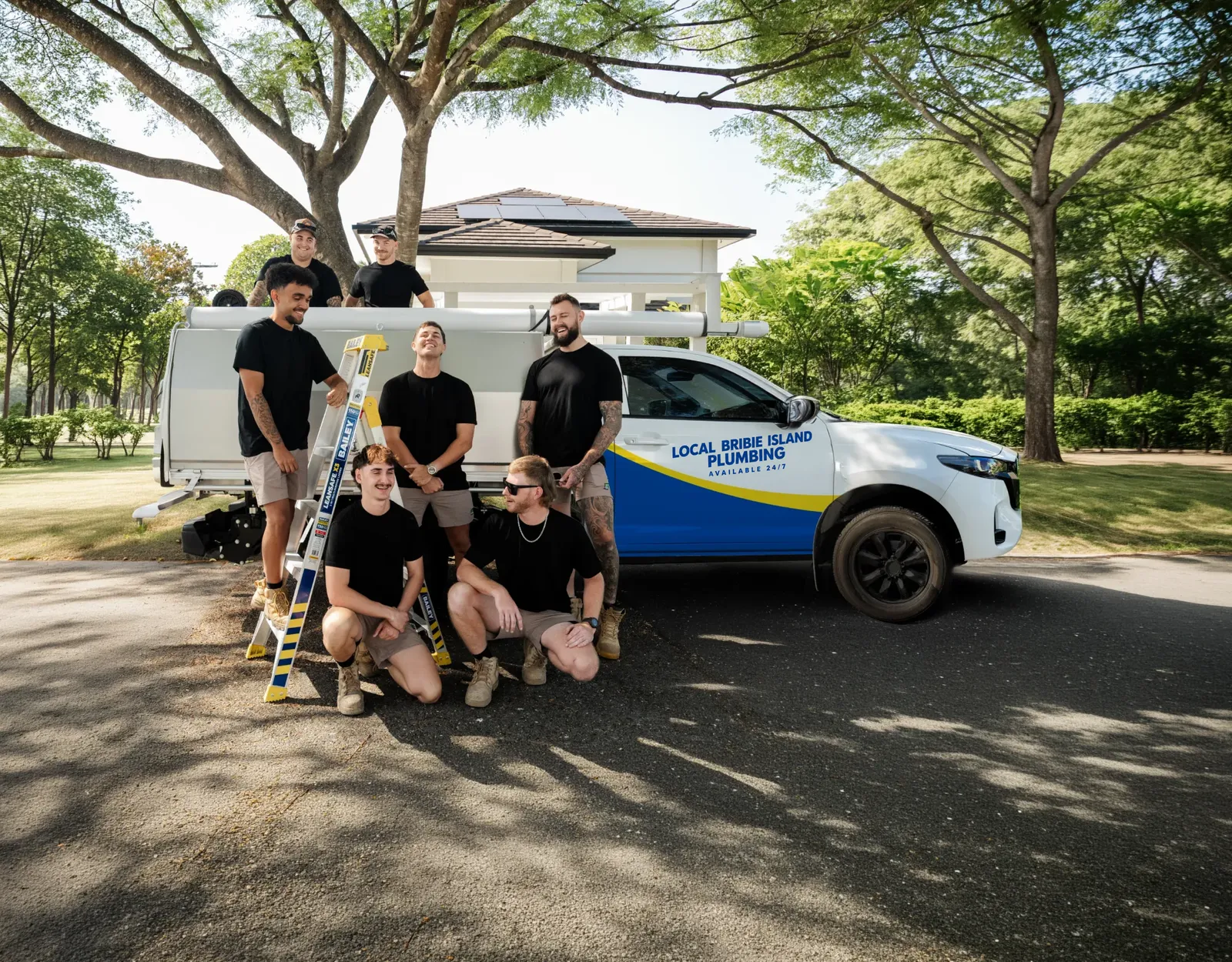
A licensed plumber repairs what the hunt turns up. The checks themselves are yours to run, and they cost nothing but an hour of patience.
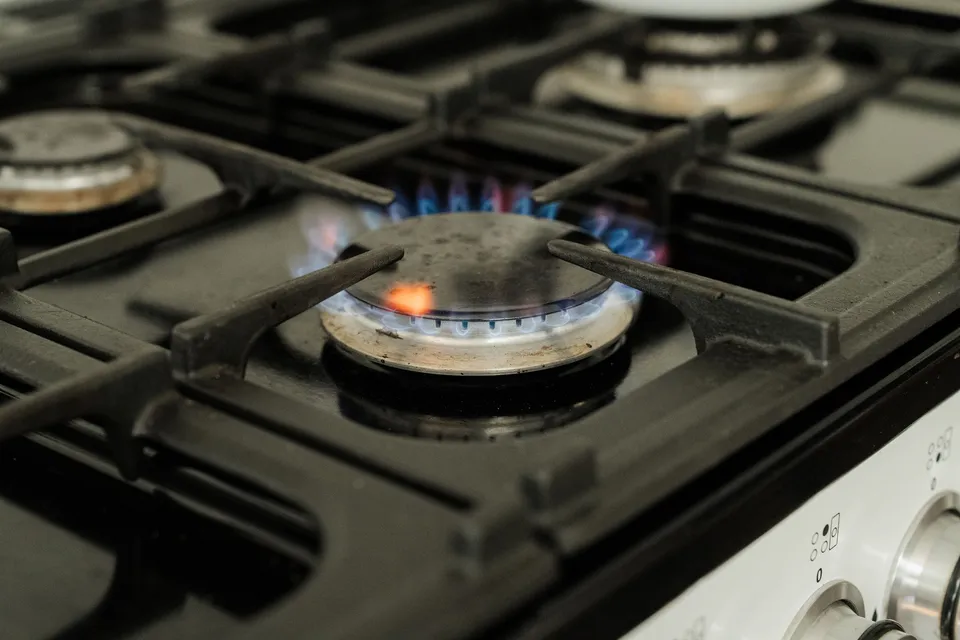
Does Your Meter Move With Everything Off
With every tap and appliance off, record the meter, wait an hour without using any water, then read it again: movement means water is escaping on the property.
The steps in full:
- Turn off every tap, the hose, the washing machine, plumbed-in fridges, dishwashers and irrigation, and leave the tap at the meter itself on.
- Photograph the meter numbers, including the red digits, so you have an exact starting point.
- Wait at least one hour without running anything, then photograph the numbers again.
- A changed number or dial points to a leak, so bring in a licensed plumber to trace it.
The dial turns only while water passes through the meter. No fixture running means no honest reason for it to move.
Unitywater runs a program that flags high water use and contacts customers where possible. The utility itself says not to rely on that alone, so reading your own meter is the surer habit.
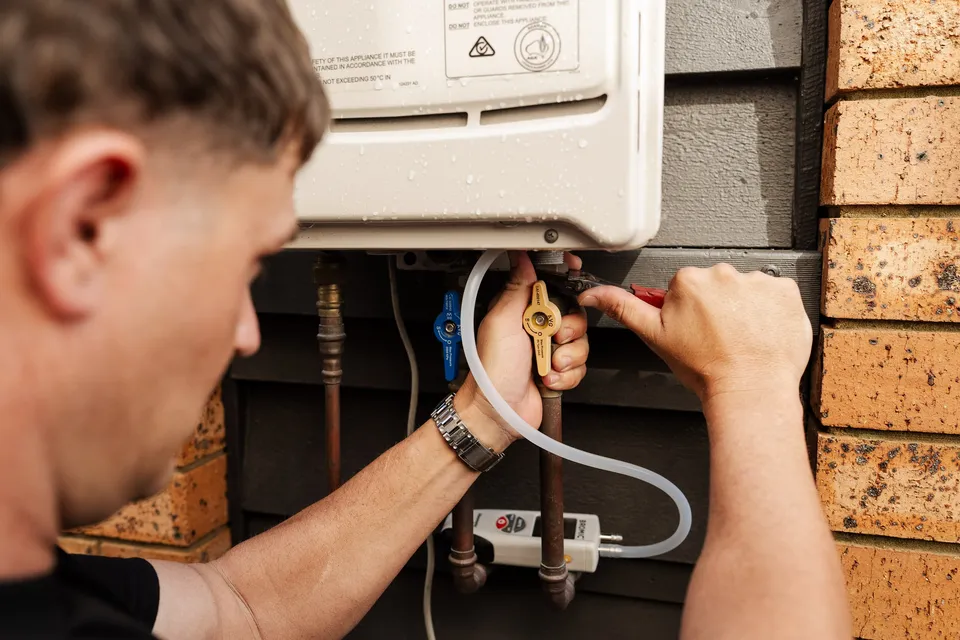
Taps, Tanks and Wet Ground Outside
The outdoor checks are the garden taps and hose fittings for drips, the rainwater tank for automatic top-up from the mains, and the ground for soggy, spongy or unusually green patches.
Work through them in order:
Outside taps and hose joins
one dripping hose connection can lose thousands of litres over a season, so run a hand over each nozzle and thread to catch the slow ones.
The rainwater tank
if it is connected to town water, check it is not topping itself up from the mains. A faulty solenoid or internal part can keep adding water that masks the real leak, and a licensed plumber checks that part.
The ground
soggy lawn, spongy patches or paving that has lifted point to a leak below the surface.
The pool, if you have one
fill a bucket with pool water, set it on a step so the levels match, mark both, and wait 24 hours without swimming. A pool that drops more than the bucket suggests a leak; an equal drop is just evaporation.
One island wrinkle matters here. Rain feeds a body of fresh groundwater held in the sand, so ground near the fairways at Pacific Harbour can read wet without a pipe being at fault. Let the meter result decide whether a damp patch is the water table or something worth digging for.
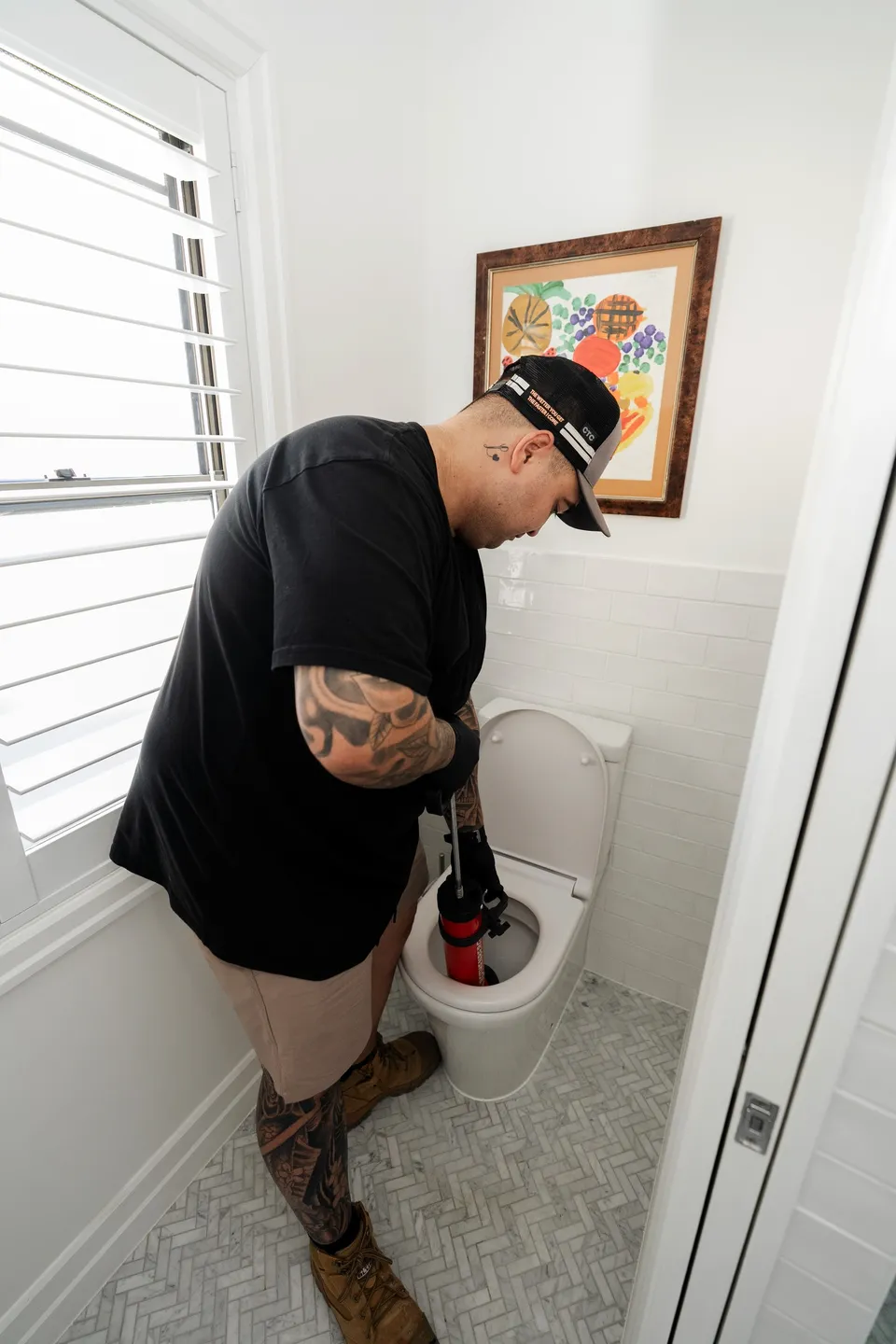
Room by Room Inside the House
Indoors, the hunt runs from the toilet cisterns first, then the taps and showers, then the plumbed-in appliances, then the walls, ceilings and floors.
Toilet cisterns
put a little food colouring in the cistern, do not flush, and wait. Colour showing in the bowl means the cistern is leaking into it. Flush afterwards, because the colouring does not stain ceramic bowls.
Taps and showers
check each one is fully turned off and not dripping, including the hot water system and any plumbed-in fridge.
Walls, ceilings and floors
look for damp or stained linings, a musty smell, and paint that bubbles or lifts. A floor spot that feels warm underfoot is another common sign of a hidden leak inside the house.
Meter Moving but Nothing Found
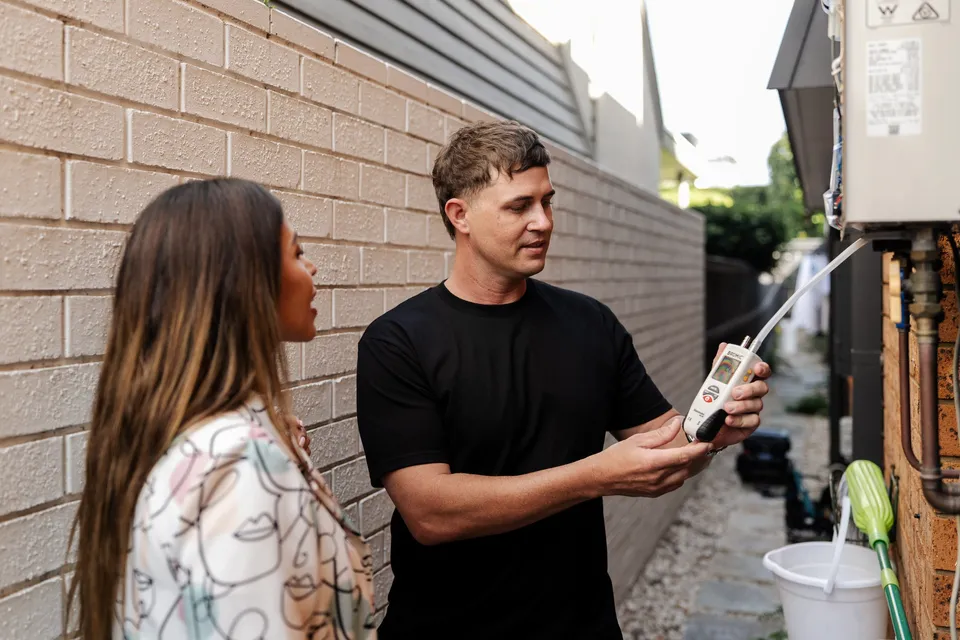
The findings split two ways. A leak found at a tap, toilet or fitting is the likely culprit. A meter that still moves with nothing found points to a concealed leak under a driveway, inside a wall or below the lawn.
A concealed leak can lose thousands of litres every day and stay unnoticed until a large bill or water damage appears. Repairing a broken or damaged pipe counts as minor work, so a licensee does the repair without a permit.
The pipes on your side of the meter are yours to maintain as the owner. Replacing a tap washer or a cistern washer is unregulated work anyone with the skill may do; replacing a whole tap or repairing a pipe is a licensed plumber's job.
When to Call a Plumber
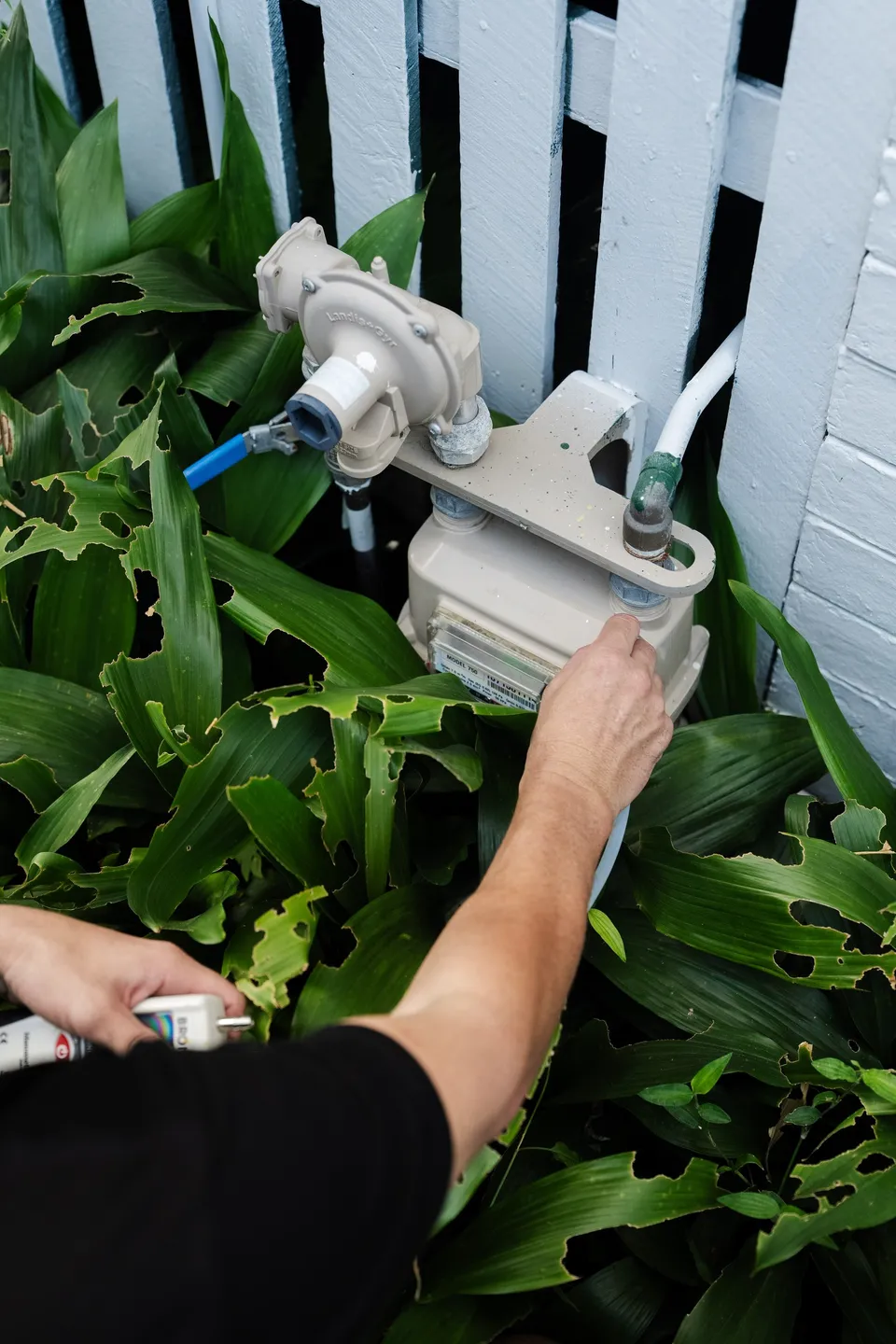
Call once the meter keeps moving and the visible checks come up empty, or when damp linings or a stained ceiling appear and you cannot reach the source. Our leak detection service traces the exact spot before any wall or driveway is opened.
Do not wait for the next bill to confirm what the meter has already told you. A leak runs around the clock, and every week of it adds to the account.
Questions on Tracking Down Hidden Leaks
Call (07) 3520 4094How long should I leave my water meter before checking it again?
At least one hour, with no water used anywhere on your Bribie Island property during that time. Turn off every tap and appliance, note the full reading, and leave everything alone until the hour is up. Any change in the numbers afterwards points to a leak.
Where is the water meter at my Bribie Island home?
Your water meter is the one Unitywater reads to bill each Bribie Island household. The check works the same wherever the meter sits on your block: close every outlet, write down the reading, and compare it after the wait.
How do I do a toilet dye test?
Drop a little food colouring into the cistern and leave the toilet alone for a while. Colour drifting into the bowl means water is escaping past the seal. Flush when you are done, since the dye will not mark a ceramic bowl.
How do plumbers find a leak I cannot find?
Plumbers confirm with the meter first, then isolate the pipe in sections and pressure-test each part. Listening along the run and reading moisture in the walls narrows the spot before anything is opened. Our leak detection service covers the full process.

Call Us About the Hidden LeakWe'll call you back.
Call (07) 3520 4094 to book a plumber in Bribie Island. We're available 24/7, with $0 call-out fees, flat-rate pricing and same-day where we can.
To claim your $0 call-out fee, call (07) 3520 4094 today.