Repairs
Everyday drips, runs and weak flushes:
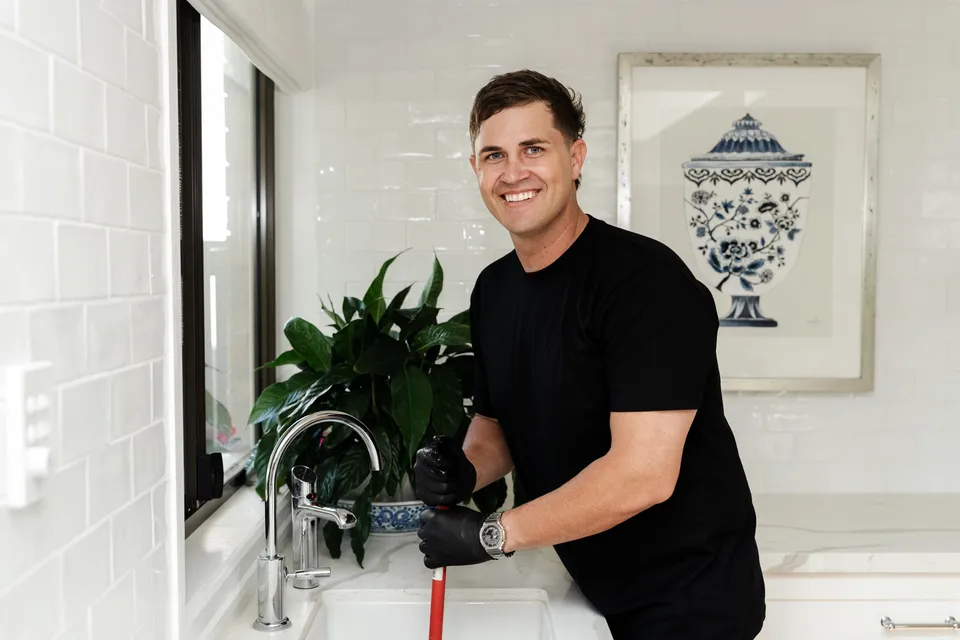
No other job fills our week like tap and toilet repairs across Bribie Island, because these fixtures run dozens of times a day in every household. A weeping mixer on an Avon Avenue porch and a cistern that won't stop filling in a Banksia Beach unit are the everyday calls of the Bribie Island run.
If we're late, $100 comes off your bill

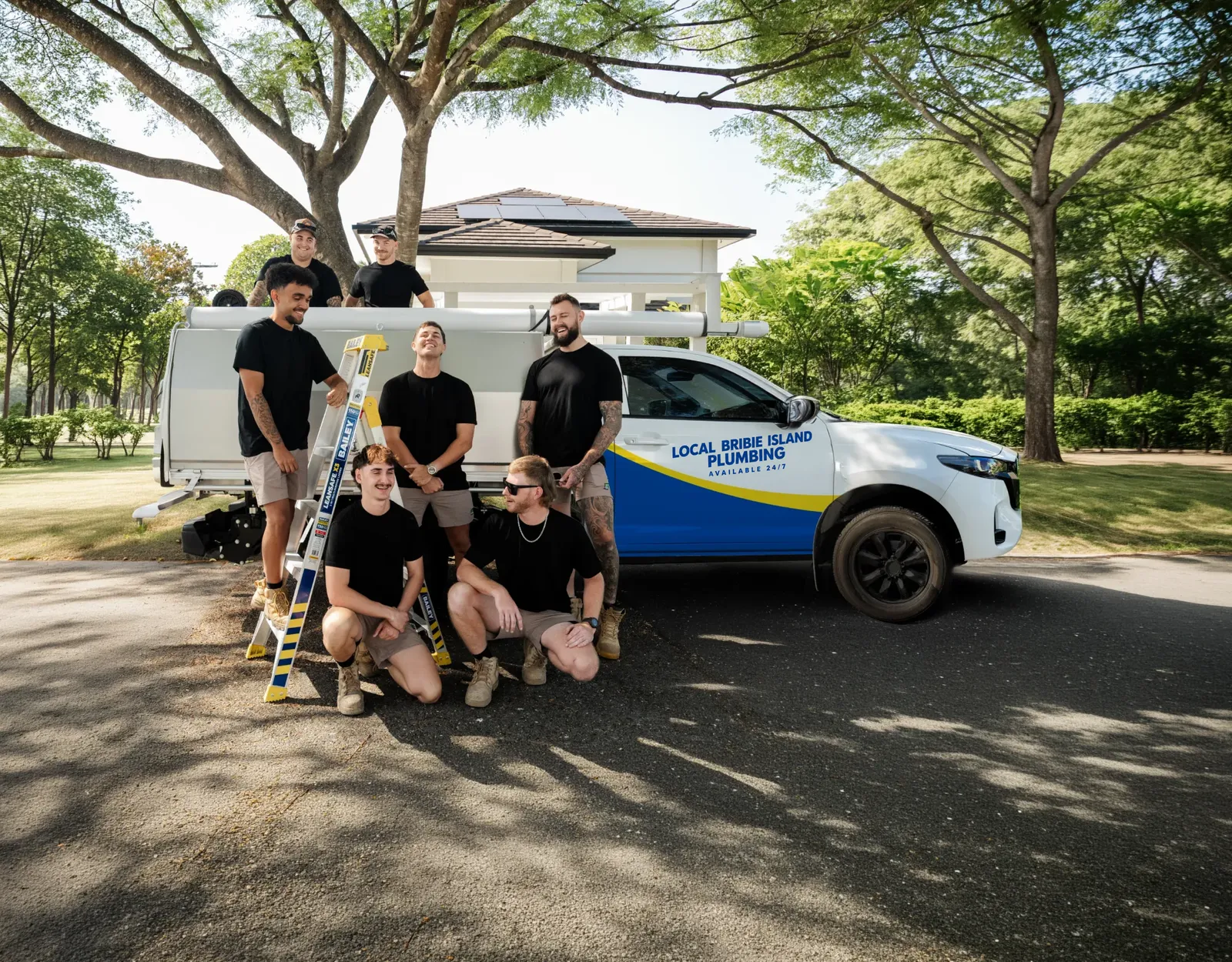
Households here skew retired and owner-occupied, so a fault that wastes water or shuts a bathroom gets noticed quickly. This page sorts the repairable faults from the replacements, explains the rental flow rules, and shows which jobs stay with us, the licensed plumbers.

Most drips, trickling cisterns and slow refills end the moment a worn washer, cartridge or valve is swapped out. A crack through the tap body, cistern or pan is the point where replacement starts instead. That line matters for your wallet, because a worn part costs a fraction of a new fixture.
The repairable side covers most faults. A washer-style tap that drips at the spout generally needs its washer renewed or its valve seat dressed smooth. A mixer that drips usually needs a replacement ceramic disc cartridge, which is a far smaller bill than the whole tap.
Cisterns tell the same story. A leaking or running cistern is mostly cured by fitting a fresh inlet valve plus a new outlet washer, as long as the cistern body itself is sound.
Body damage ends the repair conversation. Corrosion eating through a tap body, or a fracture anywhere in the porcelain of a cistern or pan, puts the fixture on the scrap pile. Porcelain never seals itself, and a hairline split can let go overnight onto a finished floor.
Repeated repairs tilt the maths too. A fixture we have patched several times can rack up more in parts and call-outs than a replacement would, so we weigh that up job by job rather than pushing a sale.
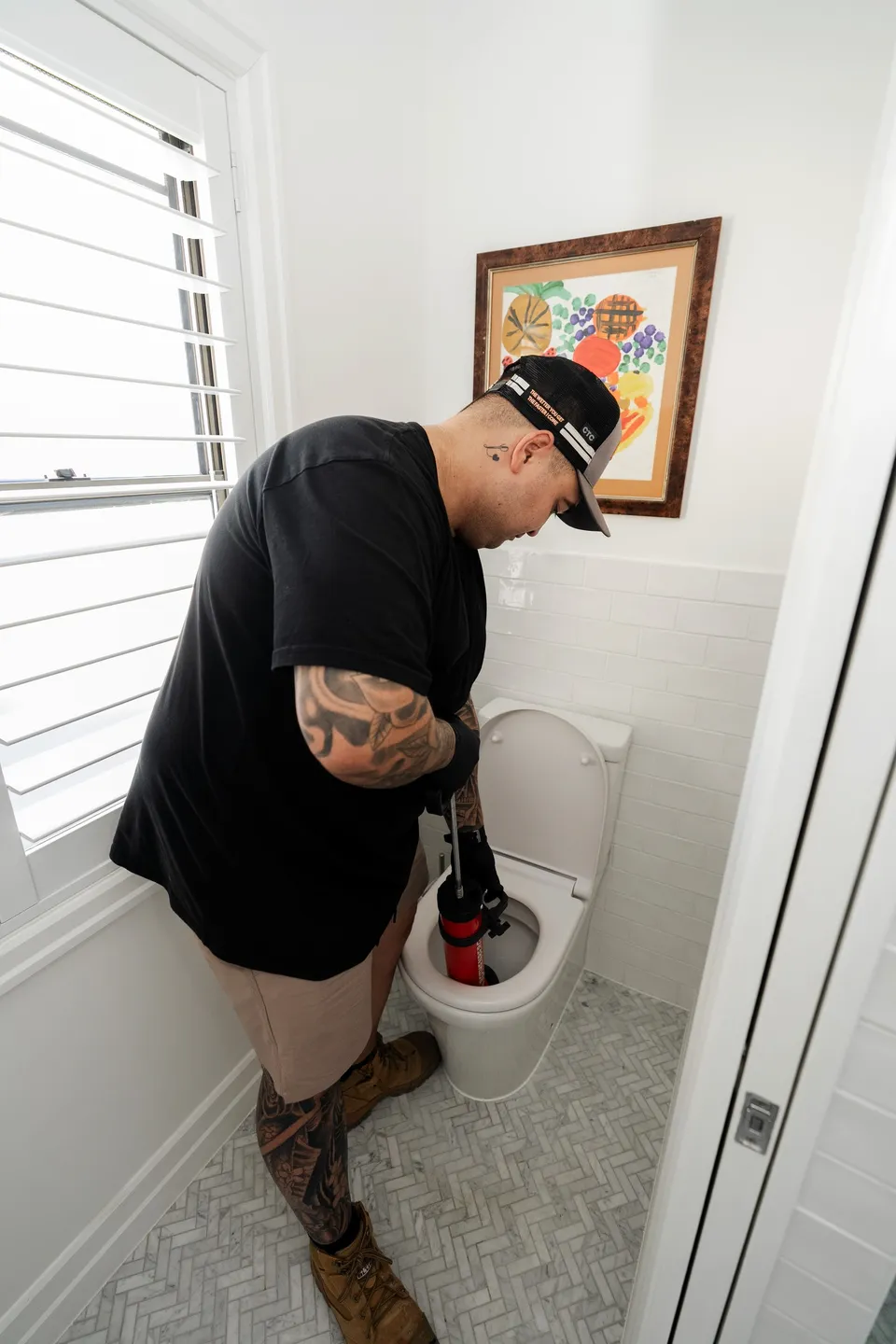
WELS (Water Efficiency Labelling and Standards) is the national labelling scheme that rates taps, toilets and showers by stars and water use. Every registered product carries a label, so you can compare fixtures before you buy one.
Queensland tenancy law then puts hard numbers on a rental before an owner can bill a tenant for the full usage:
The island's holiday lettings and caravan park visitors stretch water use over the summer peaks, so those figures are worth checking before a tenancy starts.
New dwellings carry star minimums on top. A brand-new house, townhouse or sole-occupancy unit needs a dual flush toilet rated at least 4 stars, with taps and showerheads at 3 stars or better, and renovations are exempt from those minimums.
Certification is the final layer. Taps, toilets and cisterns need WaterMark certification alongside their WELS registration. Without the WaterMark, a licensed plumber is not allowed to install the fixture.

No, the concealed leak adjustment from Unitywater excludes water wasted by dripping taps and running cisterns, so the owner absorbs that loss on the bill. The concession applies to buried pipe leaks, not fittings dripping in plain view.
The volumes surprise people. A slow drip can waste thousands of litres over time, and a cistern that never shuts off registers on the meter day and night.
Ownership explains why. The utility keeps the mains up to the meter; from there to the last tap, upkeep is the owner's job, so a dripping fitting lands on the owner's account.
One check settles whether water is going missing. Read the meter with every tap and fixture turned off, and if the dial still creeps, something between the meter and the house is losing water.
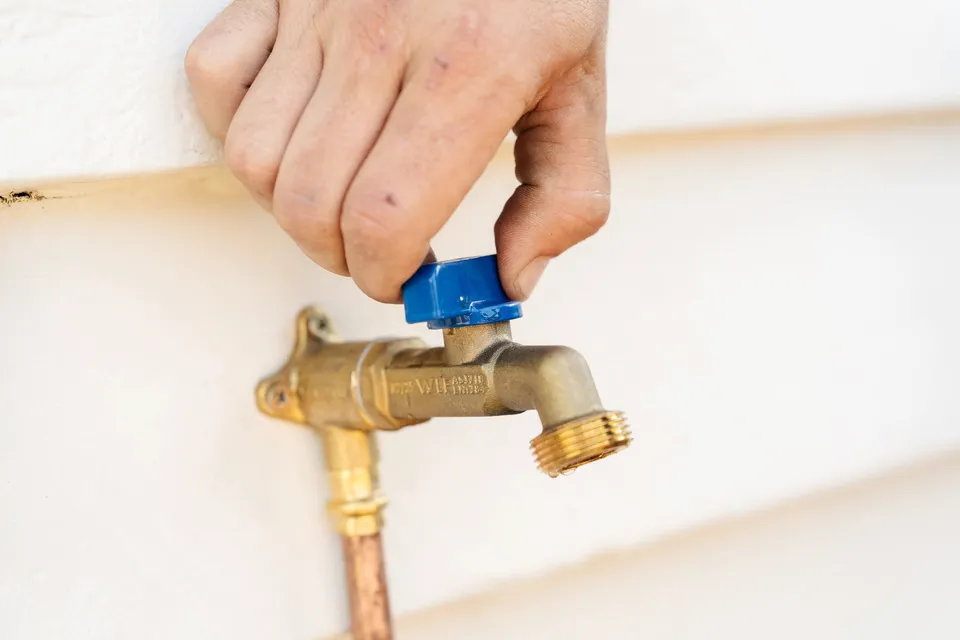
Only a short QBCC list of small jobs is unregulated work that anyone with the right knowledge and skill may attempt. Past that line, tap and toilet jobs are minor or notifiable work for a licensed plumber. The unregulated items run to the jumper valve or washer in a tap, plus the cistern's drop valve washer, the float valve washer and the suction cup rubber.
Unregulated still means measured. No licence, approval or report is needed for those parts, yet the finished work has to meet the standards the legislation and codes set.
Everything past that list sits with a licensee. Replacing a tap is licensed work, full stop. Swapping a worn fitting for a new one of the same kind counts as minor work for a QBCC licensee, needing neither a permit nor a Form 4.
New fixtures go one rung higher. Putting in a new toilet, or shifting an existing one, is notifiable work in an existing building. We lodge the Form 4 with the QBCC inside 10 business days of finishing, and you keep a copy.
The five fixture pages below carry the detail from here, each on its own line of work:
Everyday drips, runs and weak flushes:
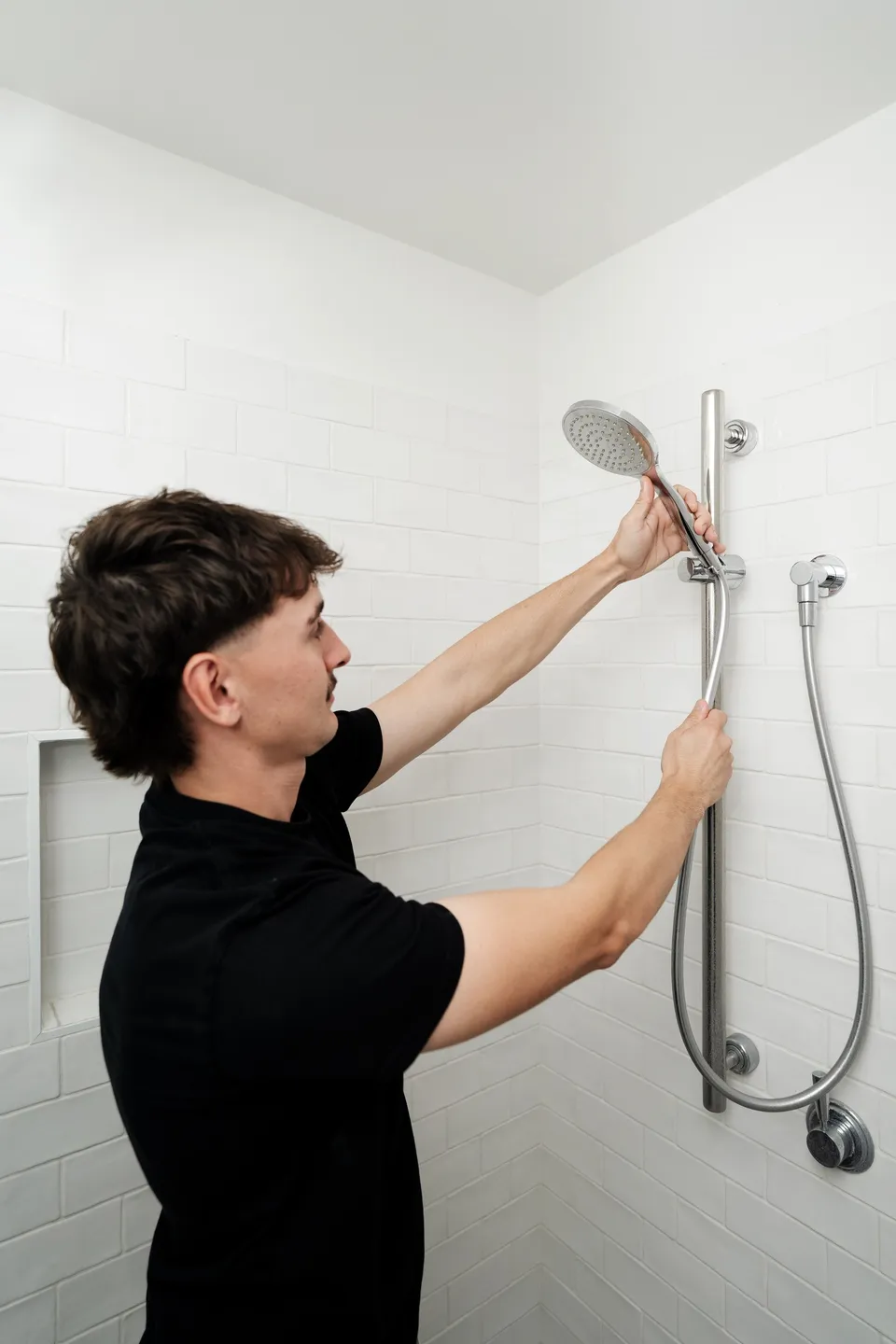
When a fixture is past saving:
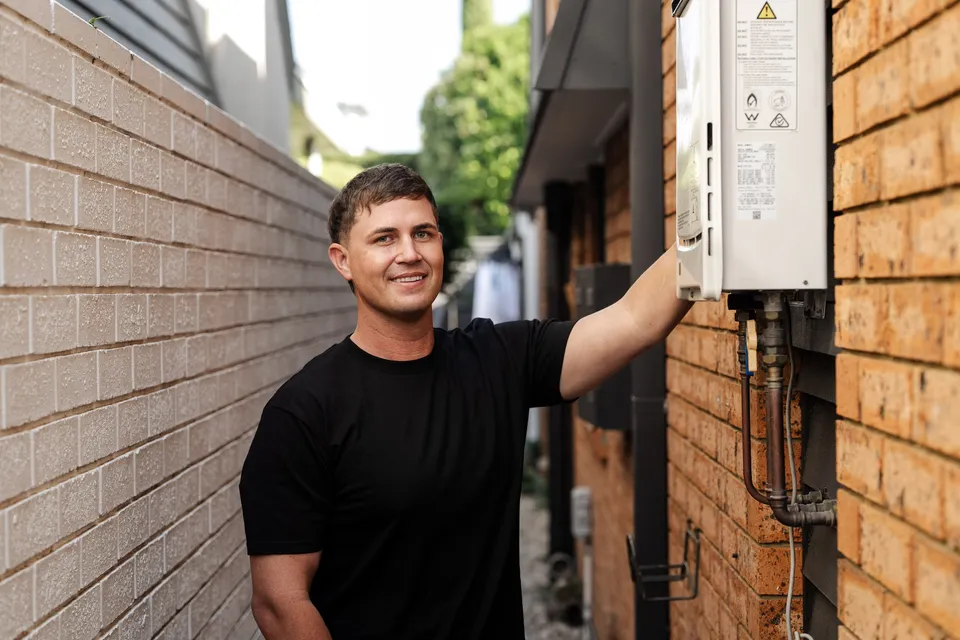
Hose taps weathering the salt air, from lawns beside the Bribie Island Golf Club at Links Court to canal-side gardens:
Blocked toilets and drain clearing live on the blocked drains page, and hot water faults on the hot water page.
$0 call-out fees, available 24/7, and same-day where we can.

Ring (07) 3520 4094 or use the form and describe what's going on in Bribie Island. A few details up front mean the right gear comes on the first trip.
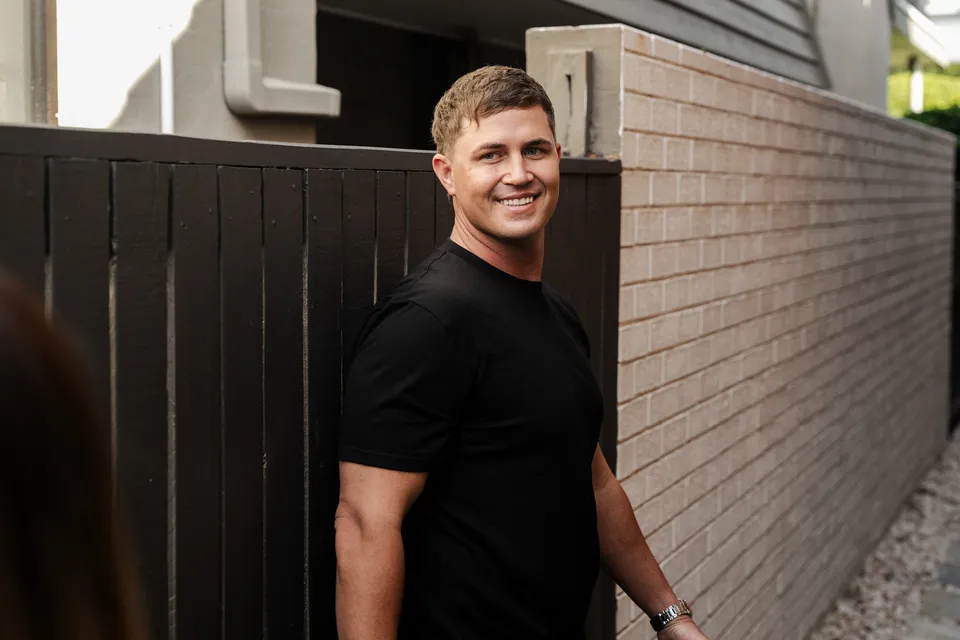
We isolate the fixture, run the tap or flush the cistern, and watch where the water actually goes. Bathrooms from the island's older decades sometimes need a closer look at seats and threads before anything comes apart.

We give you a fixed quote before any work starts. It's flat-rate pricing with no hidden fees, and we only start once you approve it.
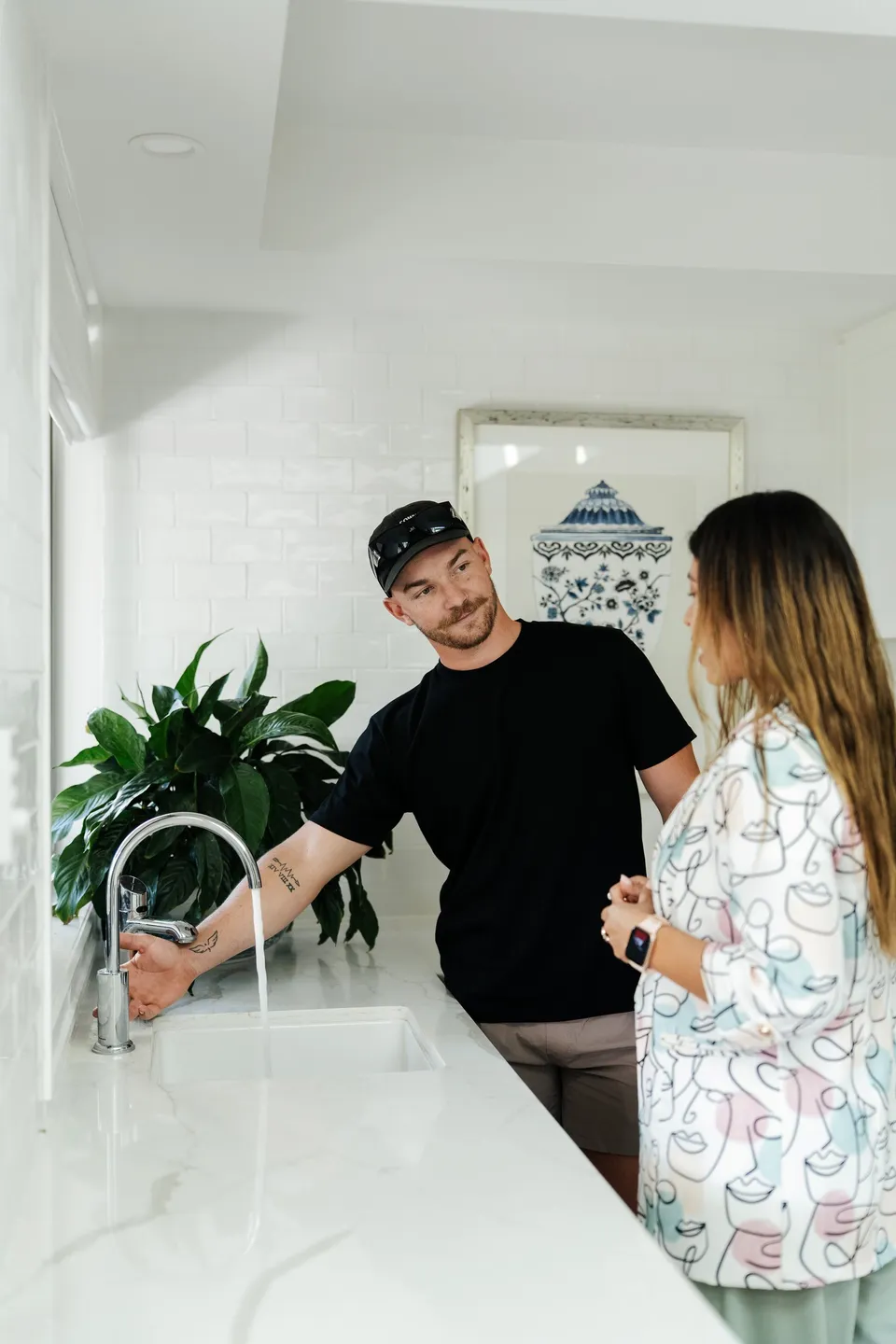
Card and EFTPOS payment on site when the job's finished, or Fix now, pay later if that suits you better.
There are $0 call-out fees on every Bribie Island job, with no extra fee for nights, weekends or public holidays.

A fixed quote before any work starts means flat-rate pricing and no hidden fees on your invoice.
Our Fix-It-or-It's-Free guarantee covers you (T&Cs apply), labour has a lifetime labour warranty, and if we're late, $100 comes off your bill.
QBCC No: 15024607 covers our licensed plumbing and gasfitting. Every job is done by a licensed plumber, and we're licensed and insured.
We cover the lot: drips and leaks at the spout, handle or base, cisterns that won't stop running or filling, weak flushes, and worn stop taps and connections. See our tap repairs page and our toilet repairs page for the detail on each.
Yes, but only the QBCC's unregulated items: a tap's washer or jumper valve, plus the drop valve and float valve washers and the suction cup rubber inside a cistern. Home owners may do those with the right skill, though the work still has to meet the standards, and everything beyond them, tap or toilet replacement included, needs a licensed plumber.
Yes, replacing a tap is licensed work under the QBCC's categories. Installing a new fixture such as a toilet goes further and counts as notifiable work, which we report on a Form 4 inside 10 business days of finishing.
Yes, Queensland tenancy rules set the figures before an owner can charge a tenant for all water. Indoor cold taps and single mixers stay under 9 litres per minute, and a dual flush cistern stays within 6.5 litres full flush and 3.5 litres half flush.
The price turns on what failed, the type of tap or cistern, whether the seat or the porcelain body has damage, and how reachable the isolation valves are. You get a fixed quote once the plumber has seen the job, so nothing is guessed.
No, there is no extra charge for nights, weekends or public holidays. We're available 24/7, 7 days a week, and every job is done by a licensed plumber.

Call (07) 3520 4094 to book a plumber in Bribie Island. We're available 24/7, with $0 call-out fees, flat-rate pricing and same-day where we can.
Current offers:
T&Cs apply. Mention this offer when booking.
To claim your $0 call-out fee, call (07) 3520 4094 today.